
The wombat protection society of Australia
The Wombat Protection Society of Australia (WPSA) is a national not-for-profit organisation created to raise awareness and money in order to provide wombats with immediate protection from harm. We enhance quality of life, fund projects that develop and protect suitable habitat and provide sanctuaries for Australian wombats. We continue to fund research projects with the help from our generous supporters.


OUr Aim
The WPSA aims to bring together people involved in the conservation and protection of wombats. We maintain a database of up-to-date research and information and serve as a conduit for further research.
Educating government departments, the public and carers on the welfare and continued care of wombats, we assist people to take action in the prevention of harm to wombats and their environments.
We consider mange, caused by the parasitic mite sarcoptes scabiei, as the major health issue impacting wombat welfare. Since our inception, we have successfully brought attention and action to this issue by encouraging and supporting research and collaboration in the treatment and prevention of mange in both free living and in-care wombats.
our team
Amanda Cox
chair
Director ID: 036516936605490
Amanda holds a degree in Science, an honours degree in Psychology and a Master’s Degree in Social Administration. She is a retired consulting psychologist and has been the Public Officer of and member of the board since the Wombat Protection Society formed.
Amanda’s vision for the Society is to bring individuals and groups concerned about wombats together, to share knowledge and to understand differing ideologies in care and management and to develop welfare advocacy. Her interests include understanding wombats from both the behavioural and psychological perspective, the interface between humans and wombats and animal welfare issues for wombats.
Amanda regularly speaks to groups about wombats and presents Society information at conferences and education/ training days. She has raised wombats and lives on a release site. She once stated she is either going to be or was a wombat in a former life and has a vested interest in their welfare either way. She sees them as one of the most fascinating animals to study, “because, they humble you; as soon as you think you know something about them, along comes one and does the complete opposite. Sitting for hours and nights on end in the bush, observing wombats has not only been a privilege but it has taught me to slow down, observe and ‘be part’ of an amazing experience. Unlike domesticated animals, wombats won’t be ‘trained’, rather, they train you. It takes a certain type of person to cope with being trained by a wombat.”
Marie Wynan
director
director id: 036102959430139
Marie and her husband have been wildlife carers since the first kangaroo joey made his way to them one week before their first son was born 30 years ago. Together they run Jarake Wildlife Sanctuary, a 130-acre conservation area next to Glenbog State Forest in South East NSW. She is a qualified Veterinary Nurse at Southern Cross Wildlife Care Hospital and also has a certificate III in Animal Studies, both attained under Dr Howard Ralph.
Marie says, “My heart belongs to wombats and I have raised and released far too many over the years. My passion is to interact and study the adults’ social structure and behaviour, spending many hours in the field.”
Marie sees the devastating effect mange is having on wombats and has been actively treating mange since 2005. She also knows only too well the impact roadkill is having on the wombat population being co-author of “Can virtual fences reduce wombat road mortalities?” published in Ecological Engineering Journal 2021.
With habitat destruction playing a major role in population loss, Marie and her husband have campaigned, since 2014, and actively educated NSW Forestry Corporation, especially in Glenbog State Forest, to better protect wombats and their burrows during logging. This resulted in the Glenbog Guidelines.
Marie believes her fighting spirit and determination for wombats comes from her background representing the Swedish National Cycling Team over many years, competing all over Scandinavia, Europe and the USA with highlights of winning a teams World Cup event and racing women’s Tour de France.
danie ondinea
director
director id: 036066414514041
Danie’s training and work life includes Health Education officer in western Sydney, Dept of Education Special Swim Scheme teacher, Taronga Zookeeper, NSW National Trust bush regenerator, Wildlife Habitat designer for councils and other agencies.
On retirement in 2011, Danie and partner moved to the NSW far south coast (FSC) to 100 acres and, since 2014, they have been managing the property for nature conservation under a Conservation Agreement. This has become more challenging since the property was impacted by bushfire in 2020.
Danie’s been a carer of outdoor wombat joeys since 2014, most being soft released onto their property.
She first fell for wombats as a 12 year old when, before any wildlife rehabilitation groups had formed, and before wildlife formulas existed, her mother cared for orphaned Bare-nosed Wombat, Red-necked Wallaby, Swamp Wallaby, Red Kangaroo, Eastern and Western Grey Kangaroo, Wallaroo, Brushtail and Ringtail Possum, and Long-nosed Bandicoot on a small property west of Wollongong, NSW. Luckily there were some local vets interested in wildlife at the time.
Now Danie is the FSC Bare-nosed Wombat coordinator for Wildlife Rescue South Coast Inc, as well as their FSC mange treatment organiser. She also works with members of the public who have unwanted wild wombats to help them find humane ways to dissuade wombats from digging burrows under houses, into garden beds, into dam walls, etc.
She’s very interested in wombat food plants, in creating stimulating environments for in-care wombats and providing the best possible supported release when they are ready to take on their future wild world.
Shirley Lack
Director and Treasurer
Director id: 036178660036508
Shirley was caretaker at Epping Forest (Northern Hairy nose wombats) in 2007 and again in 2010. She has held many positions in the wildlife sector, including treasurer and committee member for NANA for 10 years, Treasurer and founding member of NSW Wildlife Council and Treasurer and committee member for a great little group in the Braidwood area (NARG). Shirley is also a director and treasurer for the Wombat Protection Society of Australia.
Shirley has been a wildlife carer for 35 years and devoted the first 5 years to caring for Macropods. Five years after starting care, Shirley was presented with a baby wombat to raise. This little wombat (Tilly) changed her life and the life of her family.
“I cannot remember a time when I have not had to feed a baby wombat at least once a night. As some wombats can become very vicious and hard to handle just before release my husband and I both feel that our ‘use by date’ is running out as far as caring is concerned. I say this every year but as babies continue to come into care I seem to always have a full house. I am very passionate about the welfare of wombats especially caring for and raising orphans of all sizes, it has to be done correctly for the safe release and welfare of the animal. Caring for wombats has become my life and I have found like-minded friends among the other directors who are all as passionate as I am. Being a director of WPS is a great privilege that I cherish.”
Jenny Mattingley
Director
director id: 036170670631010
Jenny has operated a busy wildlife shelter in West Gippsland, Victoria since 1987 where she cared for a variety of wildlife.
It was 1992 that her first orphaned wombat joey came into care. “They are naughty, playful and at times destructive, each one has its own personality (a bit like children)”, says Jenny. “I learnt so much from the first wombat”.
Her compassion for wombats led her to dedicating time to helping other carers.
Jenny has presented various workshops to assist new wildlife carers on raising and releasing wildlife along with the development of a website, Wombat Welfare, to assist carers on how to raise and release wombats.
After attending the 2011 Wombat Protection Society’s Wombat Conference in Albury and learning about the ‘burrow flap’ method of treating mange in wombats, Jenny and her husband set about developing a Victorian based program that would enable members of the public to treat wombats with mange on their own properties. In February 2012, Mange Management Inc. was formed with a group of dedicated like-minded volunteers.
Although Jenny no longer runs a busy wildlife shelter, she still believes there is a need for further education especially regarding the Bare Nosed wombat and this is where she is now concentrating her efforts.
What we do

Conferences
We periodically hold National Conferences and Symposiums that address and debate the welfare needs of wombats. They are open to the public and are attended by researchers, carers, government authorities and other wildlife organisations.

Wombat Care
The Society provides support and education in wombat rescue and care.
$1,000 GRANT
WPSA is keen to support our members who are helping wombats. We are giving away a $1,000 a month to be used on a project that will help you help wombats. (must be a financial member).
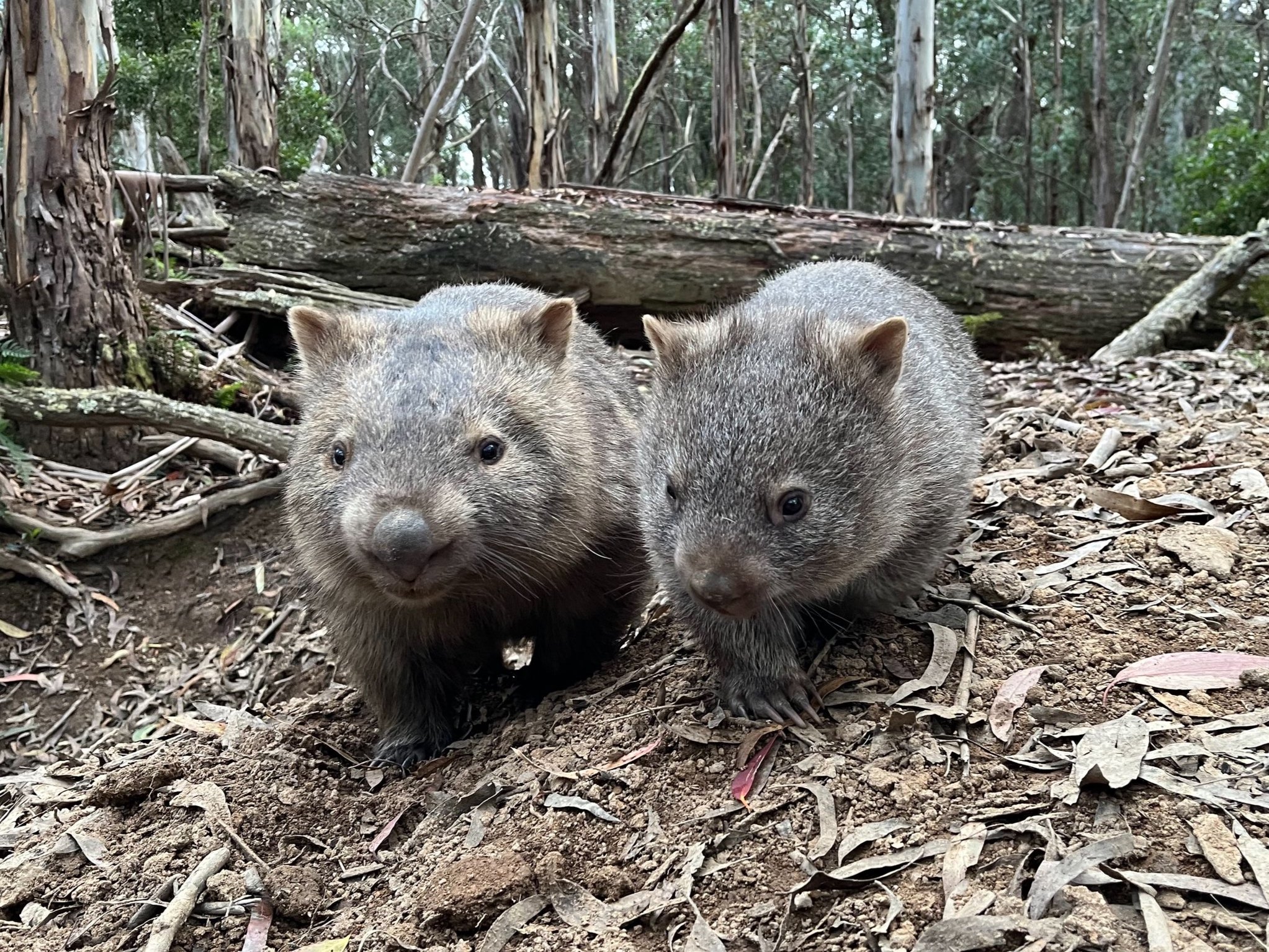
information on raising and releasing bare nosed wombats

Wombat Workshops
We conduct workshops for anyone wanting to help injured or orphaned wombats or just wanting to learn more about these special animals. We also cater our workshops to those living on land affected by wombats.

Wombat Conservation
The Society lobbies authorities for better wombat conservation including disease control and habitat loss as well as providing education and support to groups working in these areas.